
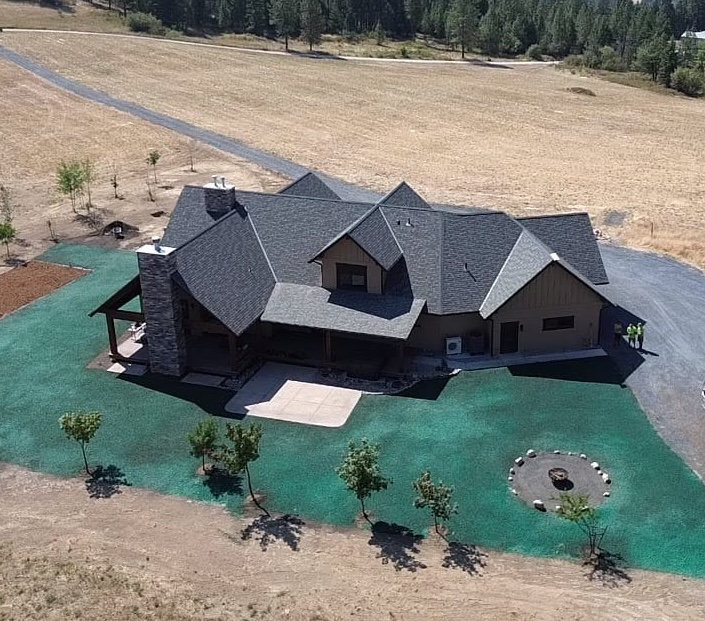
Introduction Quote on Hydroseeding in West Jefferson
Hydroseeding has emerged as a transformative solution for landscaping in West Jefferson, offering both efficiency and effectiveness in establishing vibrant, healthy lawns. With the area's unique climate and soil conditions, this method not only enhances aesthetic appeal but also promotes sustainable growth.
As local horticulturist Jane Doe states, “Hydroseeding provides an ideal way to cultivate lush landscapes in West Jefferson, especially when considering our varying weather patterns. It ensures that seeds are evenly distributed and nurtured, which is crucial for successful establishment in our diverse soil types.”
This innovative approach allows residents to achieve their landscaping goals while adapting to seasonal variations, making it a practical choice for both new projects and revitalizing existing green spaces.
Introduction
Climate Considerations for Hydroseeding in West Jefferson
Understanding the climate of West Jefferson is crucial for successful hydroseeding. Here's what you need to know:
Temperature and Seasonal Variations
West Jefferson experiences a temperate climate with distinct seasonal variations.
- Spring typically sees temperatures ranging from the mid-40s to mid-70s (°F), creating an ideal environment for seed germination.
- Summer temperatures can soar into the 80s and 90s, which may necessitate careful watering schedules to maintain soil moisture for newly seeded areas.
- Autumn temperatures gradually cool down, averaging between the 50s and 70s, providing a favorable period for grass establishment before winter.
- Winter temperatures can dip below freezing, which may affect dormant seed viability if not properly managed.
Precipitation Patterns
West Jefferson receives an average of 30 to 40 inches of rainfall annually, with the majority occurring in the spring and early summer months.
- March through June tends to be the wettest period, providing ample moisture for seedling establishment.
- In contrast, July and August can be relatively dry, which may require additional irrigation to ensure successful germination and growth.
Soil Conditions
The local climate significantly influences soil type and moisture retention in West Jefferson.
- The region generally features fertile, loamy soils that retain moisture well, especially during the wetter seasons.
- However, climate-related challenges such as occasional droughts in late summer or heavy rainfall leading to flooding can pose risks to newly hydroseeded areas. Gardeners should be prepared to adapt their practices to mitigate these challenges.
Recommended Hydroseeding Practices
Timing is essential for successful hydroseeding in West Jefferson.
- Ideal hydroseeding should occur in early spring or early fall when temperatures are milder and moisture levels are sufficient.
- Grass types that thrive in this climate include fescues, bluegrass, and ryegrass, which are well-suited for the temperature and precipitation patterns specific to the region.
Conclusion
Adapting hydroseeding strategies to the unique climate of West Jefferson is vital for achieving successful outcomes. By understanding local temperature ranges, precipitation patterns, and soil conditions, gardeners can better time their hydroseeding efforts and select appropriate seed mixes for robust growth and establishment.
Nearby Cities
What are the best hydroseed mixes for West Jefferson?
Recommended Hydroseed Mixes for West Jefferson
When it comes to hydroseeding in West Jefferson, choosing the right hydroseed mix is crucial for successful growth and sustainability. Here are some recommended hydroseed mixes tailored for the local climate and soil conditions:
1. Native Grass Mix
- Description: A blend of local grasses that thrive in the region, such as Kentucky Bluegrass, Fescue, and Ryegrass.
- Benefits: This mix requires low maintenance, is drought-resistant, and supports local wildlife, making it an eco-friendly choice.
2. Perennial Wildflower Mix
- Description: A colorful combination of perennial wildflowers, including species like Black-eyed Susan, Coneflower, and Butterfly Weed.
- Benefits: This mix not only attracts pollinators like bees and butterflies but also enhances the aesthetic appeal of landscapes throughout the seasons.
3. Erosion Control Mix
- Description: Formulated specifically to stabilize soil in areas prone to erosion, featuring species like Tall Fescue and Bermudagrass.
- Benefits: Known for quick germination and deep root systems, this mix effectively holds soil in place, preventing erosion in vulnerable areas.
4. Shade Tolerant Mix
- Description: Ideal for areas with limited sunlight, this mix includes shade-loving species such as Fine Fescue and certain Clovers.
- Benefits: It helps maintain a lush green appearance in shady spots where traditional grass may struggle to grow.
Tips for Choosing the Right Mix
- Consider Local Climate: Ensure the mix is suited to the climate of West Jefferson, taking into account temperature ranges and precipitation patterns.
- Soil Conditions: Conduct a soil test to understand its pH and nutrient levels, which can inform your choice of mix for optimal growth.
- Maintenance Requirements: Select a mix that aligns with your maintenance capabilities, whether you prefer low-maintenance options or are willing to invest time in upkeep.
Do's and Don'ts
Do:
- Research local regulations regarding hydroseeding practices and seed use.
- Consult with local landscaping professionals for tailored advice based on your specific site conditions.
- Choose mixes that are appropriate for the specific conditions of your site, considering factors such as sun exposure and soil type.
Don't:
- Use non-native species that may disrupt local ecosystems and biodiversity.
- Ignore soil preparation; proper soil conditioning is essential for seed success.
- Overlook the importance of adequate watering post-application to ensure successful germination and establishment.
Conclusion
Selecting the right hydroseed mix for West Jefferson can significantly impact the success of your landscaping project. By considering local conditions and following the guidelines provided, you can achieve a lush, thriving landscape that enhances the natural beauty of the area.
Recommended species for shade
Shade Description for Hydroseeding in West Jefferson
When considering hydroseeding in West Jefferson, understanding the impact of shade on grass growth is crucial for successful establishment and long-term health of your landscape. This section outlines the key factors to keep in mind when hydroseeding in shaded areas.
Understanding Shade in West Jefferson
- Types of Shade: It’s important to classify the shade in your planting area. Full shade areas receive little to no direct sunlight, while partial shade experiences limited sunlight throughout the day. Dappled sunlight areas may have intermittent light due to foliage or structures.
- Microclimates: Shade can create unique microclimates that influence moisture retention and temperature. Areas beneath trees or near buildings may have cooler temperatures and higher humidity levels, which can affect germination and growth.
Selecting the Right Grass Seed for Shaded Areas
- Opt for grass seed blends specifically designed for shade tolerance, such as fine fescues or shade-tolerant bluegrasses. These varieties are more likely to thrive in low-light conditions.
- Take into account the local climate and seasonal variations in West Jefferson when selecting grass types to ensure they will flourish in the shaded environment.
Best Practices for Hydroseeding in Shaded Locations
- Soil Preparation: Proper soil preparation is critical. Ensure the soil is well-aerated and enriched with organic matter to enhance drainage and nutrient availability. This can significantly benefit seed germination in shaded areas.
- Timing: The best times for hydroseeding in shaded locations are typically during early spring or fall, when temperatures are cooler and moisture levels are more consistent.
- Watering: Consistent moisture is essential, particularly in shaded areas where evaporation rates may differ from sunnier locations. Monitor soil moisture closely to avoid drying out the seedbed.
Maintenance Tips
- Keep a close eye on growth patterns, as shaded areas may require adjustments to your watering schedule. Be prepared to overseed in areas where initial growth is sparse, as this can be a common issue in low-light conditions.
Do’s and Don’ts
Do:
- Utilize shade-tolerant seed mixes specifically tailored for low-light environments.
- Thoroughly prepare and amend the soil to support growth.
- Maintain a consistent watering routine until the grass is fully established.
Don’t:
- Neglect the specific light conditions of your planting area; understanding these conditions is vital for success.
- Overwater, as shaded areas may retain moisture longer than sunny spots, leading to potential issues with root rot or disease.
Variables Reference
- West Jefferson
Recommended for full sun or partial sun
Choosing the right hydroseed mix for your lawn depends heavily on the sunlight exposure in your yard. Different mixes and grass species have varying light requirements for optimal germination and establishment.
| Grass Type | Sun | Good to Know |
|---|---|---|
| Tall Fescue | Partial | Adaptable, deep roots, drought tolerant. |
| Kentucky Bluegrass | Full | Fine texture, rich color, recovers from damage. |
| Perennial Ryegrass | Full | Rapid germination, bright green. |
| Fine Fescue | Partial | Fine texture, shade tolerant, low maintenance. |
What is the best time to hydroseed in West Jefferson?
Data Analysis about the BEST time to Hydroseed West Jefferson
Best Time of Year to Hydroseed in West Jefferson
When planning to hydroseed in West Jefferson, understanding the seasonal variations is key to achieving a successful outcome. The timing of your hydroseeding project can significantly impact seed germination and establishment. Here’s an overview to help you select the optimal timing for hydroseeding in West Jefferson.
Ideal Seasons for Hydroseeding
Spring (March to May):
- Advantages: As the weather warms up, the soil temperature rises, which is conducive to seed germination. Additionally, spring often brings ample rainfall, providing the necessary moisture for newly seeded areas.
- Cautions: Be mindful of late frosts that can occur in early spring, as they can damage young seedlings.
Fall (September to November):
- Advantages: The cooler temperatures and increased precipitation in fall create favorable conditions for seed germination and root development. This time frame allows seeds to establish before the colder winter months.
- Cautions: Ensure that there is sufficient time for the grass to establish before the first hard frost.
Factors to Consider
- Local Climate: Familiarize yourself with West Jefferson’s specific climate patterns, as they can influence when to hydroseed effectively.
- Soil Temperature: For optimal germination, aim to hydroseed when soil temperatures reach at least 50°F.
- Watering Needs: Be prepared to provide adequate irrigation, particularly during dry periods in the summer months, to support seedling growth.
Do's and Don'ts
Do:
- Keep an eye on local weather conditions to select the most favorable time for hydroseeding.
- Conduct soil tests to ensure the best conditions for your seeds.
- Properly prepare the soil to encourage robust growth.
Don't:
- Hydroseed during extreme heat waves or unexpected frost.
- Underestimate the importance of consistent watering after hydroseeding.
- Rush the project; allow sufficient time for seeds to take root and establish.
By following these guidelines, you can effectively time your hydroseeding project in West Jefferson to maximize success and promote healthy grass growth.
Find reputable hydroseeding companies in West Jefferson
We've done the research. Click below to get a quote from a top installer in West Jefferson.