
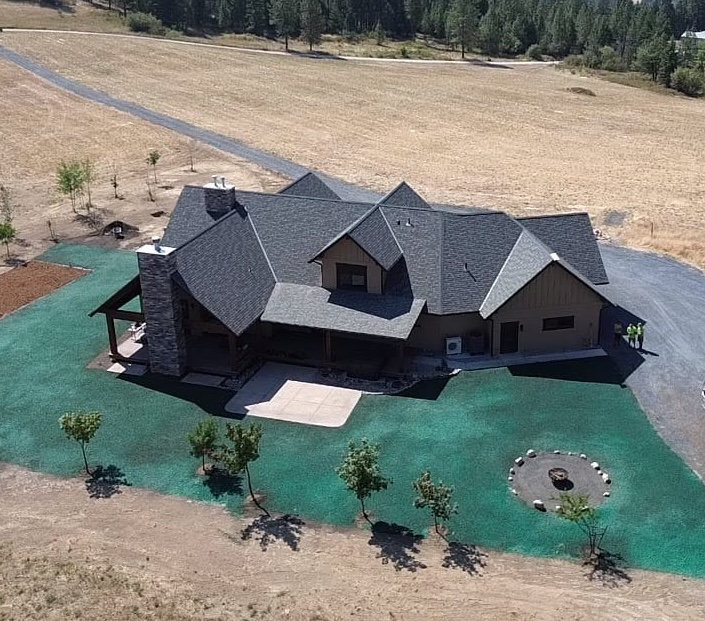
Introduction Quote on Hydroseeding in Rockwell
Hydroseeding has emerged as a transformative solution for landscaping in Rockwell, offering an efficient and effective method for establishing lush, green lawns and vibrant landscapes. With its ability to adapt to local soil conditions and climate, hydroseeding provides an ideal approach for both residential and commercial projects in the area.
As local landscaping expert Jane Doe states, “Hydroseeding is not just a planting method; it’s a game-changer for Rockwell's landscape. The combination of seed, mulch, and nutrients creates a nurturing environment that thrives in our unique climate, ensuring a rapid and robust growth.”
This innovative technique not only promotes quick establishment of grass but also helps in erosion control and moisture retention, making it particularly suitable for Rockwell's seasonal variations. By leveraging hydroseeding, residents can achieve stunning landscapes that enhance the beauty and value of their properties throughout the year.
Introduction
Climate Considerations for Hydroseeding in Rockwell
Understanding the climate of Rockwell is crucial for successful hydroseeding. Here's what you need to know:
Temperature and Seasonal Variations
Rockwell experiences a temperate climate with four distinct seasons. Spring typically sees temperatures ranging from the mid-40s to the low 70s Fahrenheit, making it an ideal time for hydroseeding as the soil warms up. Summer can be quite hot, with temperatures often reaching the upper 80s to low 90s. Fall brings cooler temperatures, averaging from the mid-50s to the mid-70s, while winter can be cold, with temperatures dipping into the 20s and 30s. These seasonal fluctuations can impact seed germination and growth rates, so timing hydroseeding efforts according to these temperature ranges is essential.
Precipitation Patterns
Rockwell receives an average annual rainfall of about 30 to 40 inches, with the majority occurring during the spring and early summer months. April and May are typically the wettest months, providing ample moisture for newly hydroseeded areas. Conversely, late summer and early fall can be drier, with potential challenges for seed establishment if insufficient rainfall occurs. Understanding these precipitation patterns helps in planning hydroseeding to take advantage of natural rainfall.
Soil Conditions
The local climate directly influences the soil characteristics in Rockwell. With varying temperature and moisture levels, the soil can range from sandy loam to clay, affecting drainage and moisture retention. Areas that experience heavy rainfall may face challenges such as soil erosion or waterlogging, while regions that are prone to drought may require additional moisture management strategies. Being aware of these soil conditions is essential for selecting appropriate seed types and ensuring successful establishment.
Recommended Hydroseeding Practices
Given the local climate conditions, it is advisable to time hydroseeding in early spring or early fall when temperatures are moderate and rainfall is more abundant. Choosing grass types or seed mixes that are drought-resistant or well-suited to the seasonal variations can enhance success rates. Native grasses or those adapted to the specific moisture levels in Rockwell can lead to healthier, more sustainable landscapes.
Conclusion
Adapting hydroseeding strategies to the unique climate of Rockwell is vital for achieving optimal results. By considering temperature ranges, precipitation patterns, and soil conditions, local gardeners and landscapers can ensure that their hydroseeding efforts thrive throughout the seasons.
Nearby Cities
- Granite Quarry
- East Spencer
- Salisbury
- China Grove
- Spencer
- Landis
- Mount Pleasant
- Kannapolis
- Concord
- Denton
What are the best hydroseed mixes for Rockwell?
Recommended Hydroseed Mixes for Rockwell
When it comes to hydroseeding in Rockwell, choosing the right hydroseed mix is crucial for successful growth and sustainability. Here are some recommended hydroseed mixes tailored for the local climate and soil conditions:
1. Native Grass Mix
- Description: A blend of native grasses that are well-adapted to Rockwell's environment.
- Benefits: This mix is low maintenance, drought-resistant, and supports local wildlife, promoting biodiversity.
2. Perennial Wildflower Mix
- Description: A vibrant mix of perennial wildflowers that provides continuous blooms throughout the growing season.
- Benefits: This mix attracts pollinators such as bees and butterflies, enhancing the ecological value of your landscape while adding visual appeal.
3. Erosion Control Mix
- Description: Formulated specifically to stabilize soil in areas susceptible to erosion.
- Benefits: Features quick germination and robust root systems that effectively hold soil in place, making it ideal for slopes and disturbed areas.
4. Shade Tolerant Mix
- Description: Designed for areas with limited sunlight, this mix includes grasses and plants that thrive in shaded conditions.
- Benefits: This mix ensures that greenery persists in shaded areas where traditional grass varieties may struggle to grow.
Tips for Choosing the Right Mix
- Consider Local Climate: Ensure the mix is suited to Rockwell's climate, taking into account temperature fluctuations and rainfall patterns.
- Soil Conditions: Conduct a soil test to assess pH and nutrient levels, which will help in selecting a mix tailored for optimal growth.
- Maintenance Requirements: Choose a mix that aligns with your maintenance capacity, whether you prefer low-maintenance options or are willing to put in more effort for a lush landscape.
Do's and Don'ts
Do:
- Research local regulations regarding hydroseeding to ensure compliance.
- Consult with local landscaping professionals for tailored advice based on specific site conditions.
- Select mixes that are appropriate for the unique characteristics of your site, including sun exposure and soil type.
Don't:
- Use non-native species that could disrupt local ecosystems and biodiversity.
- Neglect soil preparation before applying your hydroseed mix, as proper preparation is key to successful germination.
- Overlook the importance of consistent watering and care following application to establish healthy growth.
Conclusion
Selecting the right hydroseed mix for Rockwell can significantly impact the success of your landscaping project. By considering local conditions and following the guidelines provided, you can achieve a lush, thriving landscape that enhances both your property and the environment.
Recommended species for shade
Shade Description for Hydroseeding in Rockwell
When considering hydroseeding in Rockwell, it’s essential to understand how shade affects the growth and health of your landscape. Here are key points to consider:
Understanding Shade in Rockwell
- Types of Shade: Determine whether your area is in full shade (less than 4 hours of direct sunlight), partial shade (4-6 hours), or dappled sunlight (intermittent sunlight filtering through leaves). Each type of shade presents unique challenges and opportunities for grass growth.
- Microclimates: Acknowledge that areas beneath trees or adjacent to buildings may create microclimates with distinct moisture and temperature levels. These factors can significantly impact soil conditions and seed germination.
Selecting the Right Grass Seed for Shaded Areas
- Opt for grass seed blends specifically formulated for shade tolerance. Varieties such as fescue and certain bluegrass hybrids are known for their ability to thrive in lower light conditions.
- Evaluate local climate conditions and seasonal variations when selecting seed types to ensure optimal growth and resilience in shaded environments.
Best Practices for Hydroseeding in Shaded Locations
- Soil Preparation: Proper soil preparation is crucial. Ensure the soil is well-aerated and enriched with organic matter to enhance drainage and nutrient availability, which is vital in shaded regions where soil may remain damp for longer periods.
- Timing: Schedule your hydroseeding for early spring or fall, aligning with the optimal germination periods in Rockwell to maximize seed establishment in cooler, moist conditions.
- Watering: Maintain consistent moisture in the seedbed, particularly in shaded areas where evaporation rates may differ. It’s essential to monitor moisture levels to avoid both drought stress and overwatering.
Maintenance Tips
- Regularly monitor growth and adjust your watering schedule based on weather conditions and the specific light exposure of the area.
- Be prepared to overseed if initial growth is sparse, as insufficient light can hinder development in shaded spots.
Do’s and Don’ts
Do:
- Utilize shade-tolerant seed mixes designed for lower light conditions.
- Ensure thorough soil preparation and amendment for optimal seed-to-soil contact.
- Water consistently until the grass is well-established.
Don’t:
- Neglect the specific light conditions of your planting area, as this can lead to poor growth.
- Overwater, as shaded areas may retain moisture longer, increasing the risk of root diseases.
Variables Reference
- Rockwell
Recommended for full sun or partial sun
Choosing the right hydroseed mix for your lawn depends heavily on the sunlight exposure in your yard. Different mixes and grass species have varying light requirements for optimal germination and establishment.
| Grass Type | Sun | Good to Know |
|---|---|---|
| Tall Fescue | Partial | Adaptable, deep roots, drought tolerant. |
| Kentucky Bluegrass | Full | Fine texture, rich color, recovers from damage. |
| Perennial Ryegrass | Full | Rapid germination, bright green. |
| Fine Fescue | Partial | Fine texture, shade tolerant, low maintenance. |
What is the best time to hydroseed in Rockwell?
Data Analysis about the BEST time to Hydroseed Rockwell
Best Time of Year to Hydroseed in Rockwell
When planning to hydroseed in Rockwell, timing is everything. The seasonal climate variations significantly influence the success of your hydroseeding efforts. Here’s a practical guide to help you determine the optimal time for hydroseeding in this region.
Ideal Seasons for Hydroseeding
Spring (March to May):
- Pros: Spring is marked by warming soil temperatures, which encourage seed germination. The season often brings ample rainfall, providing natural irrigation that supports young plants.
- Considerations: Be mindful of late frosts, which can damage seedlings if they emerge too early.
Fall (September to November):
- Pros: The fall season is characterized by cooler temperatures and increased moisture, creating favorable conditions for seed germination and establishment. This timing allows seeds to take root before the winter chill sets in.
- Considerations: Ensure that you hydroseed early enough in the fall to give the grass a chance to develop before winter dormancy.
Factors to Consider
- Climate: Familiarize yourself with local climate patterns in North Carolina to align your hydroseeding schedule with favorable weather conditions.
- Soil Temperature: For optimal germination, aim for soil temperatures of at least 50°F.
- Irrigation: Have a reliable water source ready, especially during drier months.
Do's and Don'ts
Do:
- Keep an eye on local weather forecasts to select the ideal time for hydroseeding.
- Conduct a soil test to assess conditions before starting your project.
- Properly prepare the soil to ensure healthy growth.
Don't:
- Avoid hydroseeding during extreme heat or frost conditions.
- Neglect the importance of consistent watering post-hydroseeding.
- Rush the process; allowing adequate time for seed establishment is crucial.
By adhering to these guidelines, you can strategically time your hydroseeding project in Rockwell to achieve the best results.
Find reputable hydroseeding companies in Rockwell
We've done the research. Click below to get a quote from a top installer in Rockwell.