
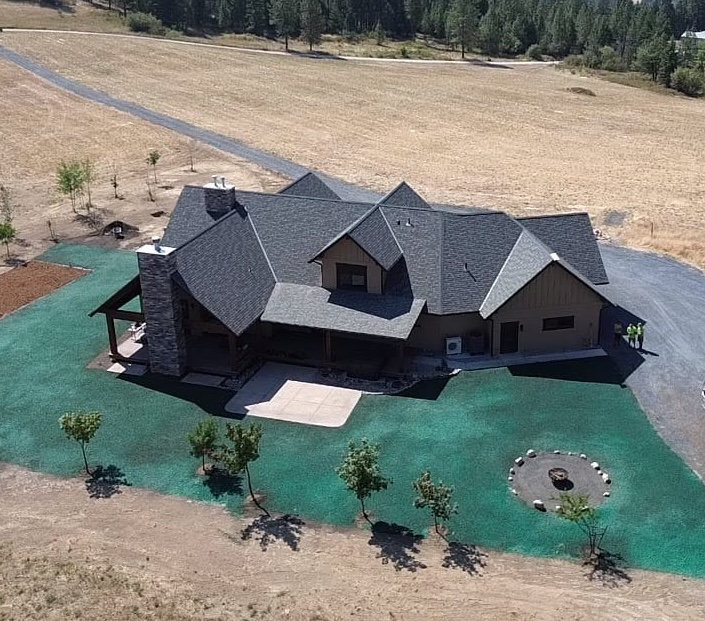
Introduction Quote on Hydroseeding in Alexandria
Hydroseeding is a revolutionary technique that can transform landscapes across Alexandria, offering an effective solution for establishing lush, green turf in a variety of environments. This method not only promotes faster germination but also enhances soil moisture retention, making it especially beneficial in our local climate.
As local landscaping expert Jane Doe notes, “In Alexandria, hydroseeding is not just a method; it's a game changer. With our unique soil conditions and climate, it provides an efficient way to achieve vibrant lawns and gardens that thrive all year round.”
This technique is particularly advantageous during the spring and early fall, when the conditions are ideal for seed germination. By embracing hydroseeding, residents can ensure a healthy, resilient landscape that stands up to the seasonal challenges of our region.
Introduction
Climate Considerations for Hydroseeding in Alexandria
Understanding the climate of Alexandria is crucial for successful hydroseeding. Here's what you need to know:
Temperature and Seasonal Variations
Alexandria experiences a humid subtropical climate characterized by hot summers and mild winters. Typical summer temperatures can soar into the mid-90s Fahrenheit (around 35°C), while winter temperatures generally hover between the upper 20s and mid-40s Fahrenheit (approximately -2°C to 7°C). Spring and fall offer more moderate temperatures, with averages ranging from the mid-50s to mid-70s Fahrenheit (about 12°C to 24°C). These seasonal variations can significantly impact the optimal timing for hydroseeding.
Precipitation Patterns
The average annual rainfall in Alexandria is around 40 inches, with the majority of precipitation occurring in spring and summer months. May and June are often the wettest months, while late summer and early fall can experience drier conditions. Understanding these patterns is essential, as consistent moisture is critical for seed germination and establishment.
Soil Conditions
The local climate influences the soil type in Alexandria, which tends to be clayey and can pose challenges for moisture retention. During hot summer months, the risk of drought can be significant, making it essential to select drought-tolerant seed mixes. Conversely, heavy rainfall in the spring can lead to soil erosion and runoff, necessitating careful planning and preparation to mitigate these issues.
Recommended Hydroseeding Practices
To maximize the success of hydroseeding in Alexandria, timing is key. Spring and early fall are ideal for hydroseeding efforts, taking advantage of the mild temperatures and adequate rainfall. Grass types that thrive in this climate include tall fescue and Kentucky bluegrass, which are known for their adaptability and drought resistance. Incorporating these varieties into your hydroseeding mix can lead to a more resilient lawn.
Conclusion
Adapting hydroseeding strategies to the unique climate of Alexandria is essential for achieving desired results. By considering temperature, precipitation, and soil conditions, gardeners and landscapers can create a thriving green space that endures the local environmental challenges.
Nearby Cities
What are the best hydroseed mixes for Alexandria?
Recommended Hydroseed Mixes for Alexandria
When it comes to hydroseeding in Alexandria, selecting the right hydroseed mix is essential for achieving successful growth and sustainability. The following mixes are tailored to suit the local climate and soil conditions:
1. Native Grass Mix
- Description: A blend of local grasses such as Tall Fescue, Kentucky Bluegrass, and Zoysia that are well-adapted to the region.
- Benefits: This mix is low maintenance, drought-resistant, and provides habitat for local wildlife. It establishes quickly and requires less water once established.
2. Perennial Wildflower Mix
- Description: A vibrant mix of perennial wildflowers, including Black-eyed Susans, Coneflowers, and Butterfly Weed.
- Benefits: This mix not only enhances the visual appeal of your landscape but also attracts pollinators like bees and butterflies, promoting biodiversity.
3. Erosion Control Mix
- Description: A specialized blend that includes grasses and legumes known for their strong root systems, such as Ryegrass and Crown Vetch.
- Benefits: Designed to stabilize soil in areas prone to erosion, this mix germinates quickly and establishes deep roots to anchor the soil effectively.
4. Shade Tolerant Mix
- Description: This mix features shade-loving varieties such as Fine Fescue and Creeping Red Fescue, perfect for areas with limited sunlight.
- Benefits: It maintains lush greenery in shaded spots where traditional grass may struggle, making it ideal for under trees or in densely planted gardens.
Tips for Choosing the Right Mix
- Consider Local Climate: Ensure the mix is appropriate for Alexandria’s climate, accounting for seasonal temperature variations and rainfall patterns.
- Soil Conditions: Conduct a soil test to assess pH and nutrient levels, which will guide your selection for optimal growth.
- Maintenance Requirements: Select a mix that corresponds with the level of maintenance you are prepared to commit to, balancing aesthetic goals with practical upkeep.
Do's and Don'ts
Do:
- Research local regulations regarding hydroseeding practices and species use.
- Seek advice from local landscaping professionals who understand the area's unique conditions.
- Select mixes that are suitable for the specific environmental conditions of your site.
Don't:
- Use non-native species that could disrupt local ecosystems and biodiversity.
- Neglect soil preparation prior to applying your hydroseed mix, as it is crucial for successful germination.
- Forget the importance of adequate watering and care immediately following application to ensure proper establishment.
Conclusion
Choosing the right hydroseed mix for Alexandria is vital for the success of your landscaping endeavors. By carefully considering local conditions and following the recommendations provided, you can cultivate a thriving, sustainable landscape that enhances the beauty of your property.
Recommended species for shade
Shade Description for Hydroseeding in Alexandria
When considering hydroseeding in Alexandria, understanding how shade impacts the growth and health of your landscape is crucial. Here are key points to consider:
Understanding Shade in Alexandria
- Types of Shade: In Alexandria, shade can come from various sources, such as trees, buildings, or fences. It's important to determine whether the area receives full shade (less than 3 hours of sunlight), partial shade (3 to 6 hours), or dappled sunlight (intermittent sunlight filtered through leaves).
- Microclimates: Areas under trees or near structures can create microclimates with distinct moisture and temperature levels, which may differ significantly from sunnier spots in your yard.
Selecting the Right Grass Seed for Shaded Areas
- Choose grass seed blends specifically designed for shade tolerance, as these varieties are better equipped to thrive in lower light conditions.
- Take into account the local climate and seasonal fluctuations when selecting your seed mix to ensure optimal growth and resilience.
Best Practices for Hydroseeding in Shaded Locations
- Soil Preparation: Proper soil preparation is essential. Make sure the soil is well-aerated and enriched with organic matter to enhance drainage and nutrient availability, which are vital for grass establishment.
- Timing: The best times to hydroseed in shaded areas are typically early spring or fall, aligning with the natural growing seasons in Alexandria for optimal germination and establishment.
- Watering: It's important to keep the seedbed consistently moist, particularly in shaded areas where evaporation rates may be lower and the soil can remain damp for longer periods.
Maintenance Tips
- Regularly monitor the growth of your newly seeded area and adjust your watering schedule as needed to ensure the grass receives adequate moisture without becoming waterlogged.
- If you notice sparse growth due to insufficient light or other factors, be prepared to overseed to encourage a fuller lawn.
Do’s and Don’ts
Do:
- Utilize shade-tolerant seed mixes that fit the specific light conditions of your area.
- Prepare and amend the soil effectively to support healthy growth.
- Maintain consistent watering until the grass is well-established.
Don’t:
- Underestimate the impact of light conditions on your planting area; assess it carefully before hydroseeding.
- Overwater shaded areas, as they tend to retain moisture longer than sunnier spots, which can lead to mold or disease.
Variables Reference
- Alexandria
Recommended for full sun or partial sun
Choosing the right hydroseed mix for your lawn depends heavily on the sunlight exposure in your yard. Different mixes and grass species have varying light requirements for optimal germination and establishment.
| Grass Type | Sun | Good to Know |
|---|---|---|
| Tall Fescue | Partial | Adaptable, deep roots, drought tolerant. |
| Kentucky Bluegrass | Full | Fine texture, rich color, recovers from damage. |
| Perennial Ryegrass | Full | Rapid germination, bright green. |
| Fine Fescue | Partial | Fine texture, shade tolerant, low maintenance. |
What is the best time to hydroseed in Alexandria?
Data Analysis about the BEST time to Hydroseed Alexandria
Best Time of Year to Hydroseed in Alexandria
When planning to hydroseed in Alexandria, understanding the timing relative to seasonal changes is essential for ensuring a successful outcome. Here’s a guide to help you determine the best times to undertake your hydroseeding project.
Ideal Seasons for Hydroseeding
Spring (March to May):
- Advantages: As temperatures begin to rise, the soil warms up, which is conducive to seed germination. Additionally, spring often brings adequate rainfall, providing natural watering for your new seedlings.
- Cautions: Be mindful of late frosts, which can damage young plants. Planning your hydroseeding for early spring can mitigate this risk.
Fall (September to November):
- Advantages: The cooler temperatures in fall, combined with increased rainfall, create an optimal environment for seed germination and establishment. Seeds sown in the fall can establish roots before winter sets in.
- Cautions: Ensure that the seeds have enough time to establish themselves before the onset of winter temperatures, which can halt growth.
Factors to Consider
- Local Climate: Familiarize yourself with Alexandria's specific climate patterns, including rainfall and temperature fluctuations, to choose the best timing for hydroseeding.
- Soil Temperature: Aim for soil temperatures of at least 50°F to ensure that seeds germinate effectively.
- Irrigation Needs: Plan for adequate irrigation, especially if you choose to hydroseed during the hotter, drier months.
Do's and Don'ts
Do:
- Keep an eye on local weather forecasts to select the most favorable time for hydroseeding.
- Conduct soil tests to assess conditions prior to hydroseeding.
- Properly prepare the soil to encourage healthy growth.
Don't:
- Attempt to hydroseed during extreme heat or icy conditions.
- Neglect the importance of consistent watering after hydroseeding.
- Rush the process; give your seeds the necessary time to establish.
By adhering to these guidelines, you can effectively time your hydroseeding project in Alexandria to maximize your chances of success.
Find reputable hydroseeding companies in Alexandria
We've done the research. Click below to get a quote from a top installer in Alexandria.