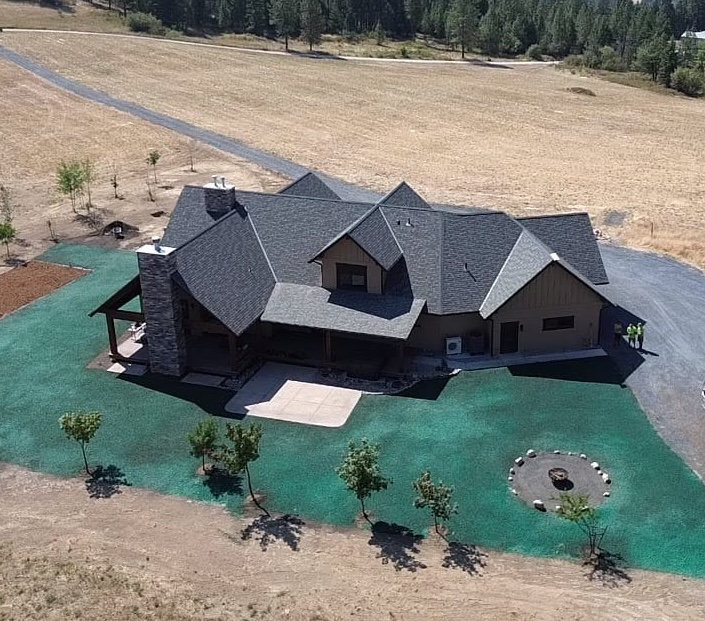
"Hydroseeding is a game-changer for creating vibrant green spaces in the District of Columbia, perfectly suited to its diverse soil conditions. This innovative technique not only ensures quick germination but also helps in erosion control, making it an ideal choice for homeowners and landscaping professionals alike."
Introduction
Climate Considerations for Hydroseeding in District of Columbia
Temperature Ranges
The District of Columbia experiences a humid subtropical climate, with average temperatures ranging from the mid-30s°F in winter to the low 90s°F in summer. Optimal temperatures for hydroseeding typically fall between 60°F and 75°F. This range promotes seed germination and establishment while minimizing risks associated with extreme heat or cold.
Precipitation Patterns
Rainfall in D.C. averages around 40 inches per year, with a relatively even distribution throughout the seasons. Key points include:
- Spring: 10-12 inches, ideal for germination.
- Summer: 3-4 inches, can lead to drought but also provides necessary moisture.
- Fall: 8-10 inches, beneficial for seed establishment.
- Winter: 4-5 inches, limited growth potential.
Seasonal Considerations
The best seasons for hydroseeding in the District are spring (March to May) and early fall (September to October). These periods not only align with optimal temperature ranges but also coincide with natural rainfall patterns that support seed growth. Avoid hydroseeding during the hottest months of July and August, when heat stress can hinder germination.
What are the best hydroseed mixes for DC?
Recommended Hydroseed Mixes for District of Columbia
Selecting the right hydroseed mixes for your landscaping projects in the District of Columbia is crucial for success. Here are some recommended mixes that are well-suited for the local climate and soil conditions:
1. Native Grass Mix
This mix features grass species that are indigenous to the area, making it drought-resistant and low maintenance. It’s perfect for natural landscaping and effective erosion control while supporting local wildlife.
2. Perennial Flower Mix
This vibrant mix will provide year-round color and attract pollinators, enhancing biodiversity in your garden. It's ideal for creating beautiful flower beds and ornamental gardens.
3. Sports Turf Mix
Designed for durability, this mix germinates quickly and can withstand heavy foot traffic, making it suitable for athletic fields and recreational areas.
4. Shade Tolerant Mix
Perfect for low-light areas, this mix thrives under trees and in shaded spots while also helping to reduce erosion.
For best results, ensure thorough soil preparation and adhere to the recommended watering schedule to promote optimal germination.
Recommended species for shade
Hydroseeding in Shaded Areas of District of Columbia
Hydroseeding in shaded areas can present unique challenges and opportunities for homeowners and landscapers in the District of Columbia. Understanding the types of shade and their impact on seed selection and growth rates is crucial for successful hydroseeding.
Types of Shade
Full Shade: Areas that receive less than 3 hours of direct sunlight per day. This can occur under dense tree canopies or on the north side of buildings. Grass and plants in these areas often grow slower and may require shade-tolerant species.
Partial Shade: Areas that receive 3 to 6 hours of direct sunlight daily. These regions can support a wider variety of grass types but still benefit from selection of shade-tolerant varieties to ensure robust growth.
Seed Selection for Shaded Areas
Choosing the right seed mix is critical when hydroseeding in shaded areas. In the District of Columbia, consider the following:
Shade-Tolerant Grasses: Look for varieties such as fine fescue, creeping red fescue, and tall fescue, which thrive in low-light conditions. These grasses are more likely to establish successfully in shaded environments.
Regional Adaptation: Select seed mixes that are adapted to the Mid-Atlantic region’s climate, which can help promote resilience against diseases and local pests.
Practical Tips for Successful Hydroseeding in Shade
Soil Preparation: Ensure the soil is well-aerated and enriched with organic matter, as shade can limit nutrient availability. Consider testing the soil pH and fertility levels.
Timing is Key: The best time to hydroseed in shaded areas is during early spring (March to April) or early fall (September to October) when temperatures are mild, and moisture levels are higher.
Watering Regimen: Shaded areas may retain moisture longer, but it’s important to monitor soil moisture closely. Water lightly and frequently until the seeds are established, then adjust based on rainfall and shade levels.
Maintenance Practices: Regularly mow to promote healthy growth and discourage weeds. Be aware that shaded areas may need less frequent mowing due to slower growth rates.
Fertilization: Use a slow-release fertilizer to provide nutrients over time, especially in the early stages of growth when the grass is establishing itself.
Patience is Essential: Growth rates in shaded areas may be slower than in sunnier spots. Be prepared for a longer establishment period and monitor progress regularly.
By understanding the nuances of hydroseeding in shaded areas of the District of Columbia and following these guidelines, homeowners and landscapers can create lush, green spaces even in less-than-ideal light conditions.
Recommended for full sun or partial sun
Choosing the right hydroseed mix for your lawn depends heavily on the sunlight exposure in your yard. Different mixes and grass species have varying light requirements for optimal germination and establishment.
| Grass Type | Sun | Good to Know | |
|---|---|---|---|
| Tall Fescue | Partial | Adaptable, deep roots, drought tolerant. | Learn more |
| Kentucky Bluegrass | Full | Fine texture, rich color, recovers from damage. | Learn more |
| Perennial Ryegrass | Full | Rapid germination, bright green. | Learn more |
| Fine Fescue | Partial | Fine texture, shade tolerant, low maintenance. | Learn more |
Data Analysis about the BEST time to Hydroseed in the State of District of Columbia
Best Time of Year to Hydroseed in District of Columbia
The timing of hydroseeding is pivotal for achieving a successful lawn or landscape in the District of Columbia. The optimal seasons for hydroseeding are spring and fall. Spring is ideal as temperatures begin to rise, facilitating effective seed germination with a decreased risk of frost. Conversely, fall provides a window for seeds to establish roots before winter, promoting vigorous growth when spring arrives.
When planning your hydroseeding, keep an eye on soil temperatures—aiming for at least 50°F—and ensure adequate moisture levels in the soil for optimal results. It’s essential to consider local climate conditions that may affect your timing, as well as to follow best practices to enhance your hydroseeding success.
Find reputable hydroseeding companies in DC
We've done the research. Click below to get a quote from a top installer in District of Columbia.