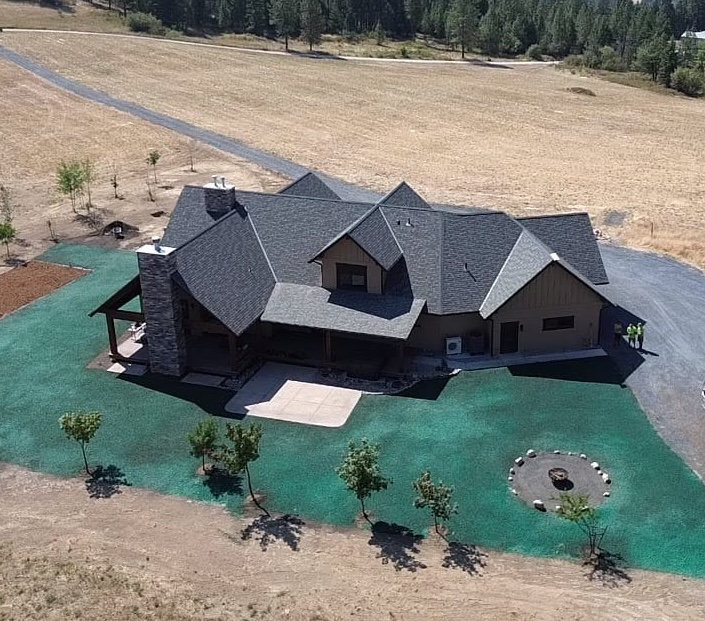
Introduction to Hydroseeding with Zoysia Lawn Seed
"Transform your outdoor space with the lush, resilient beauty of Zoysia lawn seed through hydroseeding. Known for its robust growth and adaptability, Zoysia thrives in warmer climates and is perfect for homeowners looking to create a stunning lawn that endures the heat of summer.
Benefits of Zoysia for Hydroseeding:
- Drought Tolerant: Zoysia's deep root system allows it to withstand periods of low rainfall, making it an ideal choice for regions with warm summers.
- Thick and Lush: This grass variety establishes a dense carpet-like lawn that not only looks beautiful but also helps suppress weeds.
- Low Maintenance: Zoysia requires less frequent mowing compared to other grass types, giving you more time to enjoy your yard.
- Seasonal Resilience: Best suited for USDA hardiness zones 6-9, Zoysia flourishes in warm seasons and recovers well from dormancy in cooler months.
Embrace the beauty and practicality of Zoysia with hydroseeding, and watch your lawn thrive in harmony with the seasons."
What is Zoysia?
Overview of Zoysia Grass
Zoysia grass is a warm-season turfgrass known for its dense growth habit and resilience. It features a rich green color that can deepen in hue during the growing season, offering an attractive lawn appearance. The blades are typically medium to coarse in texture, providing a robust feel underfoot.
One of Zoysia's standout characteristics is its excellent traffic tolerance, making it ideal for high-traffic areas such as lawns, parks, and golf courses. It thrives in a variety of conditions, including moderate drought and heat, and excels in both sunny and partially shaded environments.
Takeaway: Zoysia grass is special for its durability, lush appearance, and adaptability, making it a top choice for a resilient and beautiful lawn.
Quick facts
html

<table>

    <tr>

        <th>Attribute</th>

        <th>Value</th>

    </tr>

    <tr>

        <td>Season</td>

        <td>Warm</td>

    </tr>

    <tr>

        <td>Growth Habit</td>

        <td>Spreading</td>

    </tr>

    <tr>

        <td>Blade Texture</td>

        <td>Fine to Medium</td>

    </tr>

    <tr>

        <td>Color</td>

        <td>Medium Green</td>

    </tr>

    <tr>

        <td>Germination (days)</td>

        <td>14-21</td>

    </tr>

    <tr>

        <td>Establishment Time (weeks)</td>

        <td>12-24</td>

    </tr>

    <tr>

        <td>Seeding Rate (lb/1,000 sq ft)</td>

        <td>1-2 (new lawn), 0.5-1 (overseeding)</td>

    </tr>

    <tr>

        <td>Mowing Height (inches)</td>

        <td>1.5-3</td>

    </tr>

    <tr>

        <td>Shade Tolerance</td>

        <td>Moderate</td>

    </tr>

    <tr>

        <td>Drought Tolerance</td>

        <td>High</td>

    </tr>

    <tr>

        <td>Heat Tolerance</td>

        <td>Excellent</td>

    </tr>

    <tr>

        <td>Cold Tolerance</td>

        <td>Moderate</td>

    </tr>

    <tr>

        <td>Disease Susceptibility (top 3)</td>

        <td>Brown Patch, Dollar Spot, Rust</td>

    </tr>

    <tr>

        <td>Traffic Tolerance</td>

        <td>Good</td>

    </tr>

</table>
Best uses
Family Lawns: Zoysia grass is durable and can withstand foot traffic, making it ideal for family lawns where children and pets play.
High-Traffic Play Areas: Its dense growth habit and resilience allow Zoysia to recover quickly from wear and tear, making it suitable for playgrounds and sports areas.
Low-Maintenance Landscapes: Once established, Zoysia requires less frequent mowing and watering compared to other grass types, making it perfect for homeowners seeking a low-maintenance lawn.
Shade Spots: Zoysia has a good tolerance for shade, allowing it to thrive in areas with partial sunlight, which is beneficial for lawns with large trees.
Drought-Prone Areas: Its deep root system enables Zoysia to withstand periods of drought, making it a smart choice for regions where water conservation is a priority.
Erosion Control: The thick mat of Zoysia grass helps prevent soil erosion on sloped landscapes, promoting soil stability in vulnerable areas.
Warm-Season Climates: Zoysia thrives in warm climates, making it particularly well-suited for southern regions where other grass types may struggle.
Golf Courses and Athletic Fields: Its durability and ability to recover from damage make Zoysia a popular choice for golf course fairways and athletic fields, where performance and aesthetics are both important.
Soil and sunlight requirements
Ideal soil conditions for Zoysia grass are crucial for establishing a healthy lawn. Here’s what you need to know about the optimal soil characteristics and how to remediate poor soil conditions.
Ideal Soil Characteristics for Zoysia Grass
pH Range:
Zoysia thrives in soil with a pH level between 6.0 and 7.0. This range provides optimal nutrient availability.Texture:
A loamy texture is ideal, offering a balance of sand, silt, and clay. This texture retains moisture while allowing for good drainage and aeration.Organic Matter:
Aim for at least 3-5% organic matter in the soil. Organic matter improves soil structure, enhances nutrient and moisture retention, and promotes microbial activity.Drainage:
Well-draining soil is essential. Zoysia does not tolerate standing water, which can lead to disease and root rot.
Remediation Tips for Poor Soils
Compaction:
- Aeration: Use a core aerator to relieve soil compaction. Aerate during the growing season to improve root growth and water infiltration.
- Organic Amendments: Incorporate compost or well-rotted manure into the soil to improve structure and reduce compaction over time.
Clay Soils:
- Amend with Organic Matter: Add compost or peat moss to improve drainage and aeration.
- Gypsum: Apply gypsum to help break up clay particles, making the soil more workable.
- Aeration: Similar to compacted soils, aerating can help alleviate dense clay conditions.
Sandy Soils:
- Increase Organic Matter: Incorporate compost or aged manure to improve moisture and nutrient retention.
- Mulching: Use organic mulch to retain moisture and add nutrients as it breaks down.
- Watering Practices: Adjust watering schedules to ensure consistent moisture, as sandy soils drain quickly.
Additional Tips
- Soil Testing: Conduct a soil test to determine pH and nutrient levels before planting. This will guide your amendments.
- Regular Maintenance: Regularly add organic matter and mulch to maintain soil health. This practice will improve soil structure over time, benefiting Zoysia growth.
By ensuring the right soil conditions and implementing these remediation strategies, you can create an ideal environment for Zoysia grass to thrive.
Zoysia grass is known for its adaptability to various light conditions, but its growth and health significantly depend on the amount of sunlight it receives. Here’s a breakdown of its sunlight needs:
Sunlight Requirements
Full Sun:
- Threshold: Zoysia thrives in full sun, which is defined as receiving at least 6 to 8 hours of direct sunlight per day.
- Growth: In these conditions, Zoysia will grow vigorously, establishing a dense, lush lawn.
Part Shade:
- Threshold: Zoysia can tolerate part shade, which is typically considered to be 4 to 6 hours of direct sunlight per day.
- Growth: While it can survive in these conditions, Zoysia may not perform as robustly, leading to slower growth and potentially a less dense lawn.
Shade:
- Threshold: Zoysia struggles in full shade, defined as less than 4 hours of direct sunlight per day.
- Growth: In shaded areas, Zoysia may become thin, weak, or even die off, especially if competing with tree roots for nutrients and moisture.
Cultivar Notes
Different cultivars of Zoysia may exhibit varying levels of shade tolerance:
- Meyer Zoysia: Generally considered more shade-tolerant than other cultivars, it can handle moderate shade conditions better.
- Emerald Zoysia: This cultivar prefers full sun but can tolerate some shade; however, it may not perform as well in lower light conditions.
- Zoysia Japonica: This variety is commonly used in transitional climates and can tolerate some shade but thrives best in sunny conditions.
In summary, while Zoysia grass can adapt to various light conditions, it performs optimally with ample sunlight and may require specific cultivars to thrive in less than ideal lighting scenarios.
Seeding rate and coverage
Here's an HTML table showing the seeding rates for Zoysia, including rows for New Lawn and Overseeding, along with the specified columns:
```html
lb/1,000 sq ft
kg/100 m²
Coverage per 50-lb bag
Typical mulch/fiber load in hydroseed slurry
New Lawn
1.0 - 2.0
0.45 - 0.90
25,000 - 50,000 sq ft
1,500 - 2,500 lbs
Overseeding
0.5 - 1.0
0.23 - 0.45
50,000 - 100,000 sq ft
1,000 - 1,500 lbs
Note: Adjust seeding rates based on slope and soil conditions. For steeper slopes or poor soil, consider increasing the seeding rate to ensure adequate coverage and establishment.
```
This table provides the necessary information for seeding rates and includes a note on adjusting rates based on specific site conditions.
Site preparation
Kill Existing Vegetation: Apply a non-selective herbicide to eliminate all existing grass and weeds, allowing a clean slate for new growth.
Clear the Area: Remove any debris, rocks, or old landscaping materials from the site to ensure a smooth surface for hydroseeding.
Grade the Soil: Level the soil to create an even surface, ensuring proper drainage and preventing water pooling in low spots.
Fix Drainage Issues: Identify and address any drainage problems by installing trenches or modifying slopes to direct water away from the site.
Conduct a Soil Test: Test the soil to assess pH and nutrient levels, providing essential information for necessary amendments.
Add Soil Amendments: Based on soil test results, apply lime to adjust pH and compost to improve soil fertility and structure.
Final Rake and Roll: Rake the surface to achieve a fine texture and roll the area lightly to ensure good seed-to-soil contact.
Conduct a Watering Test: Water the area lightly to check for proper drainage and ensure the soil retains adequate moisture for seed germination.
Recommended hydroseed mix
For a hydroseed mix optimized for Zoysia grass, consider the following components and their recommended percentages:
Recommended Hydroseed Mix Components
- Seed Species/Cultivars:
- Zoysia japonica: 80%
- Zoysia matrella: 20%
Rationale: Combining these two Zoysia types provides resilience and adaptability. Zoysia japonica is well-suited for cooler climates while Zoysia matrella offers better texture and shade tolerance, improving the overall performance of the lawn.
- Mulch Type and Weight:
- Type: Wood cellulose fiber mulch
- Weight: 1,000 lbs per 1,000 sq ft
Rationale: Wood cellulose mulch retains moisture effectively, promotes aeration, and provides a suitable environment for seed germination while breaking down over time to improve soil structure.
- Tackifier:
- Type: Natural starch-based or synthetic tackifier
- Rate: 20 lbs per 1,000 sq ft
Rationale: A tackifier helps bind the mulch, seed, and soil together, preventing erosion and ensuring that the seed remains in contact with the soil, which is critical for germination.
- Starter Fertilizer Analysis and Rate:
- Analysis: 18-24-12 (N-P-K)
- Rate: 10 lbs per 1,000 sq ft
Rationale: This analysis provides a balanced supply of nitrogen for growth, phosphorus for root development, and potassium for overall health, which is especially important during the establishment phase of Zoysia grass.
- Biostimulants (if applicable):
- Type: Seaweed extract or humic acids
- Rate: As per manufacturer's guidelines, typically about 2-4 oz per 1,000 sq ft
Rationale: Biostimulants enhance root growth and improve soil health, helping the Zoysia grass establish more effectively and resist stressors like drought.
Why This Mix Works
This hydroseed mix is tailored to optimize the establishment and growth of Zoysia grass. The selection of Zoysia cultivars ensures adaptability to various environmental conditions, while the use of cellulose fiber mulch protects the seeds and retains moisture. The tackifier assists in maintaining soil and seed integrity, preventing washout and ensuring that the seeds remain in contact with the soil.
The starter fertilizer provides essential nutrients to kickstart growth, while biostimulants can enhance root development and stress resilience, making the Zoysia lawn robust and healthy. Overall, this mix creates an ideal environment for Zoysia grass to thrive, leading to a lush and sustainable lawn.
Here are some compatible species for blending with Zoysia grass, along with suggested percentages and specific scenarios for choosing each blend:
Zoysia and Kentucky Bluegrass (70% Zoysia / 30% Kentucky Bluegrass)
- Best for: Areas with moderate traffic and cooler climates.
- Reason: Kentucky Bluegrass provides a lush, dense appearance and thrives in cooler temperatures, enhancing color and recovery in high-traffic areas.
Zoysia and Perennial Ryegrass (60% Zoysia / 40% Perennial Ryegrass)
- Best for: Quick establishment in transitional zones or overseeding for color and density.
- Reason: Perennial Ryegrass germinates quickly, offering rapid cover while Zoysia establishes. This blend is ideal for areas needing immediate green coverage.
Zoysia and Fine Fescue (50% Zoysia / 50% Fine Fescue)
- Best for: Shady areas or lawns with minimal foot traffic.
- Reason: Fine Fescue varieties thrive in shade and provide a fine texture that complements Zoysia, making it well-suited for low-light environments.
Zoysia and Tall Fescue (65% Zoysia / 35% Tall Fescue)
- Best for: Lawns that experience drought conditions and moderate traffic.
- Reason: Tall Fescue is drought-tolerant and has deep roots, which can help maintain lawn health in dry periods while Zoysia contributes to overall resilience.
Zoysia and Bermuda Grass (60% Zoysia / 40% Bermuda Grass)
- Best for: Sunny areas with high traffic and a desire for rapid growth.
- Reason: Bermuda Grass establishes quickly and provides excellent wear tolerance, while Zoysia adds durability and heat tolerance, making this blend ideal for active lawns.
These blend options allow for tailored solutions depending on specific lawn needs and environmental conditions.
Watering schedule (Day 0 to Day 60)
Zoysia Watering Timeline from Seeding to Full Establishment
| Week | Watering Guidance | Morning vs Evening | Rainfall Adjustments |
|------|----------------------------------------------|--------------------|-------------------------------------------|
| 1 | Light and frequent watering (1-2 times/day) | Morning preferred | If rainfall occurs, reduce watering by 50% |
| 2 | Light and frequent watering (1-2 times/day) | Morning preferred | Adjust based on rainfall; maintain moisture |
| 3 | Begin tapering to every other day | Morning preferred | If rainfall occurs, skip watering |
| 4 | Continue tapering to every other day | Morning preferred | Monitor soil moisture; adjust as needed |
| 5 | Water every 3-4 days, deeper soak | Morning preferred | Reduce frequency if significant rainfall occurs |
| 6 | Water every 3-4 days, deeper soak | Morning preferred | Adjust based on rainfall; maintain moisture |
| 7-8 | Water every 5-7 days, deeper soak | Morning preferred | Continue adjusting based on rainfall |
| 9+ | Water every 7-10 days, depending on conditions | Morning preferred | Water only if less than 1 inch of rainfall in a week |
Notes:
- Morning watering is preferred to minimize evaporation and fungal issues.
- Always check the soil moisture before watering; the goal is to keep the soil consistently moist but not waterlogged during establishment.
Mowing schedule and height
When it comes to mowing Zoysia grass, it's essential to follow specific guidelines to ensure healthy growth and a vibrant lawn.
When to Start Mowing
You should start mowing Zoysia grass when it reaches a height of approximately 2 to 3 inches. This height allows for adequate leaf area for photosynthesis and encourages the grass to establish a robust root system.
Initial Blade Care
In the early stages of growth, it's crucial to avoid cutting too low, as this can stress the young grass. Maintain a mowing height of about 2 to 3 inches during the establishment phase. Additionally, ensure your mower blades are sharp to make clean cuts, which helps prevent disease and promotes healthy growth.
Ongoing Mowing Height Range
Once Zoysia is fully established, the ideal mowing height typically ranges from 1 to 2.5 inches, depending on the specific variety and local conditions. A height of about 1.5 to 2 inches is often recommended for optimal performance and appearance.
Adjustments for Heat Waves and Drought Stress
During heat waves or periods of drought, it's beneficial to raise the mowing height slightly to around 2.5 to 3 inches. Taller grass blades can provide shade to the soil, helping to retain moisture and reduce stress on the grass. Additionally, a higher mowing height can improve the grass's resilience against heat and drought conditions.
In summary, starting with a height of 2 to 3 inches, maintaining ongoing heights of 1 to 2.5 inches, and adjusting for environmental stressors will ensure that your Zoysia grass remains healthy and vibrant throughout the growing season.
Fertilization plan (first year)
Fertilization Plan for Zoysia Grass
Starter Fertilization at Seeding:
- Type: Use a starter fertilizer with a balanced N-P-K ratio (e.g., 10-10-10).
- Rate: Apply at a rate of 1 lb N/1,000 sq ft at the time of seeding. This initial feeding will help promote strong root development and establishment.
Follow-Up Feedings:
- First Feeding:
- Timing: 6-8 weeks after seeding.
- Rate: Apply 0.5 lb N/1,000 sq ft.
- Second Feeding:
- Timing: Late spring (around the time of green-up).
- Rate: Apply 0.75 lb N/1,000 sq ft.
- Third Feeding:
- Timing: Late summer (around mid-August).
- Rate: Apply 0.5 lb N/1,000 sq ft.
- First Feeding:
General Guidelines:
- Always perform a soil test before fertilization to determine nutrient needs and pH levels. This will help you tailor your fertilization plan to your specific soil conditions.
- Be cautious of over-fertilization, which can lead to excessive growth, thatch buildup, and increased susceptibility to pests and diseases. Stick to the recommended rates and timing to maintain a healthy lawn.
By following this simple fertilization plan, you can promote healthy growth and establishment of your Zoysia grass while avoiding potential pitfalls of over-fertilization.
Germination and establishment
Zoysia grass typically takes about 14 to 21 days to germinate, depending on environmental conditions. The optimal soil temperature for germination is between 70°F and 90°F (21°C to 32°C). At temperatures below this range, germination can be delayed, while temperatures exceeding 90°F may also slow down the process.
Visible signs of healthy sprouting include:
- Seedling Emergence: Tiny green shoots breaking through the soil surface.
- Color: Healthy sprouts exhibit a vibrant green color.
- Leaf Development: The initial leaves (cotyledons) will be thin and elongated, gradually developing into broader blades as they grow.
- Uniform Growth: Consistent spacing and height among seedlings indicate good germination and viability.
Monitoring soil moisture and temperature during this period is crucial to ensure optimal conditions for germination.
When establishing a new lawn, particularly with a grass like tall fescue or Kentucky bluegrass, it's crucial to understand the key milestones to full establishment, as well as the care needed throughout the first growing season, especially during summer and winter.
Milestones to Full Establishment
Initial Germination (Days 7-14):
- Density: At this stage, seedlings begin to sprout and cover the soil surface. You can expect about 10-20% density.
- Root Depth: Roots will be shallow, typically around 1-2 inches deep.
Establishment Phase (Weeks 3-6):
- Density: Grass density should increase to about 30-50% as seedlings continue to grow and fill in.
- Root Depth: Roots will continue to develop, reaching depths of 2-4 inches.
Early Growth Phase (Weeks 7-12):
- Density: By this point, density can reach 60-80%, depending on the grass type and conditions.
- Root Depth: Roots should be extending to around 4-6 inches, enhancing the grass's ability to access water and nutrients.
Full Establishment (Months 3-6):
- Density: A well-established lawn should achieve 90-100% density, creating a lush, thick carpet of grass.
- Root Depth: Roots may reach depths of 6-12 inches, enabling better drought resistance and overall health.
First-Season Care
Summer Care
- Watering: Ensure adequate moisture, especially during the hot months. Newly established lawns require about 1-1.5 inches of water per week. Water deeply and less frequently to encourage deeper root growth.
- Mowing: Begin mowing once the grass reaches a height of 3-4 inches. Mow at a height recommended for the grass type, typically around 2.5-3.5 inches. Avoid scalping.
- Traffic Limitations: Minimize foot traffic on the lawn until it is well established (around 3-4 months). Excessive traffic can damage tender roots and hinder establishment.
- Stress Mitigation: During extreme heat or drought conditions, consider implementing shade solutions or temporary barriers to reduce traffic stress.
Winter Care
- Preparation: As temperatures drop, gradually reduce watering. Ensure the lawn is mowed short (around 2-3 inches) before the first frost to minimize snow mold risks.
- Traffic Limitations: Avoid heavy foot traffic on frozen or snow-covered grass, as this can cause damage when the grass is dormant.
- Stress Mitigation: If winter conditions are particularly harsh, consider applying a light layer of mulch or straw to protect the grass from severe cold and wind.
Summary
Monitoring the establishment milestones and providing appropriate care during the first season is crucial for developing a healthy, resilient lawn. Focus on watering, mowing, and traffic management to mitigate stress, ensuring that the grass can thrive through summer heat and winter dormancy.
Ongoing maintenance
Zoysia Grass Month-by-Month Maintenance Calendar
January
- Mowing: No mowing needed. Grass is dormant.
- Watering: Minimal watering; rely on natural precipitation.
- Fertilization: No fertilization during dormancy.
- Dethatching: Not applicable.
- Aeration: Not applicable.
- Overseeding: Not applicable.
February
- Mowing: No mowing needed.
- Watering: Minimal watering; rely on natural precipitation.
- Fertilization: No fertilization.
- Dethatching: Not applicable.
- Aeration: Not applicable.
- Overseeding: Not applicable.
March
- Mowing: No mowing needed.
- Watering: Begin watering if the weather is dry.
- Fertilization: Apply a pre-emergent herbicide if necessary.
- Dethatching: Check for thatch accumulation; dethatch if necessary.
- Aeration: Not recommended yet; wait until growth begins.
- Overseeding: Not applicable.
April
- Mowing: Begin mowing as grass starts to grow; keep height at 1-2 inches.
- Watering: Water regularly if rainfall is insufficient (1 inch per week).
- Fertilization: Apply a slow-release nitrogen fertilizer.
- Dethatching: Continue to monitor; dethatch if more than 0.5 inches.
- Aeration: Aerate if necessary; focus on compacted areas.
- Overseeding: Not applicable.
May
- Mowing: Mow weekly, maintaining height of 1-2 inches.
- Watering: Maintain consistent moisture; adjust based on rainfall.
- Fertilization: Apply a second round of slow-release fertilizer.
- Dethatching: Check for thatch; dethatch if necessary.
- Aeration: Aerate if not done in April.
- Overseeding: Not applicable.
June
- Mowing: Continue weekly mowing.
- Watering: Water deeply (1-1.5 inches) during dry spells.
- Fertilization: Optional light application of fertilizer if growth slows.
- Dethatching: Monitor for thatch; dethatch if necessary.
- Aeration: Optional aeration if grass appears stressed.
- Overseeding: Not applicable.
July
- Mowing: Mow regularly, maintaining height.
- Watering: Water as needed; ensure deep watering for drought conditions.
- Fertilization: Avoid fertilization during peak heat.
- Dethatching: Not applicable.
- Aeration: Consider aeration if compaction is evident.
- Overseeding: Not applicable.
August
- Mowing: Continue regular mowing.
- Watering: Water deeply; monitor for any signs of drought stress.
- Fertilization: Light application of nitrogen fertilizer if needed.
- Dethatching: Check for thatch; dethatch if necessary.
- Aeration: Aerate if needed, especially in high-traffic areas.
- Overseeding: Not applicable.
September
- Mowing: Mow weekly; lower height slightly as temperatures cool.
- Watering: Adjust watering; reduce frequency as cooler weather arrives.
- Fertilization: Apply a fall fertilizer to prepare for dormancy.
- Dethatching: Not applicable unless heavily thatched.
- Aeration: Aerate if not done earlier in the season.
- Overseeding: Ideal time for overseeding if necessary.
October
- Mowing: Gradually reduce mowing frequency as grass growth slows.
- Watering: Water as needed; reduce frequency.
- Fertilization: Final fertilization should be done early in the month.
- Dethatching: Not applicable.
- Aeration: Not applicable.
- Overseeding: Complete overseeding before temperatures drop significantly.
November
- Mowing: Last mow of the season before dormancy.
- Watering: Water as needed; rely on rainfall.
- Fertilization: No fertilization.
- Dethatching: Not applicable.
- Aeration: Not applicable.
- Overseeding: Not applicable.
December
- Mowing: No mowing needed.
- Watering: Minimal watering; rely on natural precipitation.
- Fertilization: No fertilization during dormancy.
- Dethatching: Not applicable.
- Aeration: Not applicable.
- Overseeding: Not applicable.
This calendar provides practical maintenance tasks for Zoysia grass, ensuring a healthy and thriving lawn throughout the year. Adjustments may be necessary based on local climate conditions and specific lawn needs.
Common pests and diseases
Here’s a list of the top pests and diseases affecting Zoysia grass, along with identification cues and basic prevention or treatment strategies:
Pests
Grubs (various species)
- Identification: Soft-bodied larvae that feed on grass roots, leading to brown patches.
- Prevention/Treatment: Promote healthy soil and grass health through proper watering and fertilization; consider beneficial nematodes or insecticidal soap for control.
Armyworms
- Identification: Caterpillars that can cause rapid defoliation, often visible in large numbers.
- Prevention/Treatment: Maintain healthy turf through proper mowing and watering; insecticidal treatments may be necessary if infestations occur.
Chinch Bugs
- Identification: Small, black insects that cause yellowing or browning in patches, especially in hot weather.
- Prevention/Treatment: Maintain adequate watering and reduce thatch buildup; use insecticidal applications if needed.
Diseases
Brown Patch
- Identification: Circular patches of brown grass, often with a dark border, primarily in warm, humid conditions.
- Prevention/Treatment: Improve air circulation and watering practices; reduce nitrogen fertilizer in the summer; fungicidal treatments may be necessary for severe cases.
Dollar Spot
- Identification: Small, round, light tan spots on the grass, often with a dark border in humid weather.
- Prevention/Treatment: Maintain proper nitrogen levels and avoid overwatering; apply fungicides if necessary.
Zoysia Patch
- Identification: Circular patches of dead grass typically occurring in early spring or late fall.
- Prevention/Treatment: Ensure adequate drainage and avoid excess watering; fungicides may be used in cases of severe outbreaks.
Leaf Spot
- Identification: Dark lesions on grass blades, often leading to yellowing and dieback.
- Prevention/Treatment: Implement a proper mowing schedule and avoid excessive nitrogen; fungicide treatments can be considered if infections are widespread.
By focusing on cultural controls first, you can often reduce the reliance on chemical treatments while maintaining a healthy Zoysia lawn.
Regional adaptations
Zoysia grass is known for its adaptability and resilience across various USDA zones, but its performance can vary significantly depending on regional climate conditions. Here’s a summary of Zoysia's performance grouped into bands:
Zones 3–5
- Performance: Zoysia struggles in the colder climates of these zones. While it can survive in Zone 5, cold winters can hinder its growth and establishment.
- Heat Sensitivity: Limited; however, it may not thrive during extreme cold spells.
- Drought Sensitivity: Moderate; it can withstand some drought conditions but is slower to establish in cooler temperatures.
- Cultivar Recommendations: Consider 'Meyer' Zoysia for better cold tolerance.
Zones 6–7
- Performance: Zoysia performs adequately in these zones, establishing more reliably and surviving winters.
- Heat Sensitivity: Good heat tolerance; thrives in the warmer months.
- Drought Sensitivity: Moderate; better drought resistance than in cooler zones but still requires some moisture.
- Cultivar Recommendations: 'Emerald' and 'Meyer' cultivars are recommended for their robust performance and aesthetic appeal.
Zones 8–9+
- Performance: Zoysia excels in these warmer climates, establishing quickly and creating a dense, lush lawn.
- Heat Sensitivity: Excellent heat tolerance; thrives in high temperatures.
- Drought Sensitivity: High drought resistance, making it ideal for areas with less frequent rainfall.
- Cultivar Recommendations: 'Zenith' and 'Emerald' are popular choices due to their hardiness and fine texture.
In summary, Zoysia grass is best suited for USDA zones 6–9, where it demonstrates resilience to heat and drought. In colder zones (3–5), it is less reliable and may require more careful management to thrive.
Best time to seed
Seeding Windows for Zoysia Grass
Warm-Season Regions (USDA Zones 7-10)
- Optimal Seeding Window: Late spring to early summer (May to July)
- Early Window: Late April (once soil temperatures reach 65°F)
- Late Window: Early August (ensure soil temperatures remain above 70°F for germination)
- Temperature Threshold: Ideal soil temperature for germination is between 70°F and 90°F.
Cool-Season Regions (USDA Zones 3-6)
- Optimal Seeding Window: Late spring (after the last frost) to early summer (May to June)
- Early Window: Mid-April (after soil temperatures consistently reach 65°F)
- Late Window: Early July (avoid seeding if temperatures exceed 90°F)
- Temperature Threshold: Soil temperatures should ideally be between 70°F and 85°F for successful germination.
Key Points
- Monitor soil temperatures closely.
- Ensure seeding occurs when the soil is consistently within the optimal temperature range for best results.
Pros and cons
Pros of Zoysia Grass:
- Drought Tolerance: Zoysia is well-known for its ability to withstand dry conditions, making it a suitable option for areas with limited water availability.
- Heat Resistance: Thrives in warm temperatures, providing a lush lawn in the summer months.
- Dense Growth Habit: Forms a thick, carpet-like lawn that can help suppress weeds effectively.
- Low Maintenance Requirements: Once established, Zoysia requires less frequent mowing and fertilization compared to other grass types.
- Tolerates Foot Traffic: Suitable for high-traffic areas, making it ideal for lawns, parks, and recreational spaces.
- Good Disease Resistance: Generally resistant to many common lawn diseases, reducing the need for chemical treatments.
Cons of Zoysia Grass:
- Slow Establishment: Zoysia can take longer to establish compared to other grass types, requiring patience during the initial growth phase.
- Cold Weather Sensitivity: Dormant in colder climates, it may not be the best option for northern regions where winter temperatures are extreme.
- Thatch Buildup: Prone to thatch accumulation, which can lead to issues with drainage and overall lawn health if not managed properly.
- Limited Seed Availability: Primarily propagated through sod or plugs, which can limit options for homeowners looking to seed their lawns.
- Higher Cost for Installation: The establishment through sod or plugs can be more expensive compared to seeding other grass types.
- Requires Full Sun: Best growth occurs in full sun, making it less suitable for shaded areas.
Cost
To estimate the cost of hydroseeding Zoysia grass per 1,000 square feet, we can break down the components involved in the process. The costs can vary based on location, supplier pricing, and specific application methods, but here’s a general estimate:
Cost Breakdown
Zoysia Seed:
- Cost per pound: $15 to $30
- Coverage: Approximately 1-2 pounds per 1,000 sq ft (average 1.5 pounds)
- Total Cost:
- Low: $22.50 (1.5 lbs x $15)
- Avg: $45 (1.5 lbs x $30)
- High: $67.50 (2 lbs x $30)
Mulch/Fiber:
- Cost per 1,000 sq ft: $50 to $100
- Total Cost:
- Low: $50
- Avg: $75
- High: $100
Tackifier:
- Cost per 1,000 sq ft: $20 to $40
- Total Cost:
- Low: $20
- Avg: $30
- High: $40
Fertilizer:
- Cost per 1,000 sq ft: $25 to $50
- Total Cost:
- Low: $25
- Avg: $37.50
- High: $50
Water Usage Estimate:
- Watering cost can vary, but typically $0.50 to $2.00 per 1,000 gallons.
- Assuming around 1,000 gallons are needed for initial watering:
- Total Cost:
- Low: $0.50
- Avg: $1.00
- High: $2.00
Labor:
- Installer Labor Cost per 1,000 sq ft: $150 to $300
- Total Cost:
- Low: $150
- Avg: $225
- High: $300
Overall Cost Estimate (per 1,000 sq ft)
Low Range:
- Seed: $22.50
- Mulch/Fiber: $50
- Tackifier: $20
- Fertilizer: $25
- Water: $0.50
- Labor: $150
- Total Low: $268.00
Average Range:
- Seed: $45
- Mulch/Fiber: $75
- Tackifier: $30
- Fertilizer: $37.50
- Water: $1.00
- Labor: $225
- Total Average: $413.50
High Range:
- Seed: $67.50
- Mulch/Fiber: $100
- Tackifier: $40
- Fertilizer: $50
- Water: $2.00
- Labor: $300
- Total High: $559.50
Summary of Cost Estimates
- Low Estimate: $268 per 1,000 sq ft
- Average Estimate: $413.50 per 1,000 sq ft
- High Estimate: $559.50 per 1,000 sq ft
Coverage Example
- A 50-lb bag of Zoysia seed typically covers about 10,000 sq ft if applying at 1.5 lbs per 1,000 sq ft. Therefore, one bag can be used for approximately 6-7 applications at the average seeding rate.
These costs are estimates and can vary based on local conditions, so it is advisable to obtain quotes from local suppliers and contractors for a more accurate assessment.
Frequently asked questions
Shade Tolerance: Zoysia grass has moderate shade tolerance, thriving best in areas that receive at least 4-6 hours of direct sunlight daily. While it can survive in shaded areas, its growth may be slower and less vigorous.
Recovery from Wear: Zoysia is known for its excellent recovery from wear and tear, making it suitable for high-traffic areas. Its dense growth habit helps it bounce back after damage.
Pet Friendliness: Zoysia grass is pet-friendly and can withstand moderate activity from dogs and other pets. Its thick, cushiony texture is comfortable for pets to walk and play on.
Watering Needs: Zoysia is drought-tolerant once established but requires regular watering during its growing season. Aim for about 1 inch of water per week, either through rainfall or irrigation.
Mowing Height: The ideal mowing height for Zoysia grass is between 1 to 2.5 inches. Maintaining this height helps promote healthy growth and reduces the risk of disease.
Thatch Risk: Zoysia can develop thatch if not properly maintained, particularly in high-nitrogen environments. Regular aeration and dethatching every few years can help manage this issue.
Overseeding Compatibility: Zoysia grass can be overseeded with cool-season grasses for transitional zones, but compatibility may vary. It's best to select varieties that can coexist without competing aggressively.